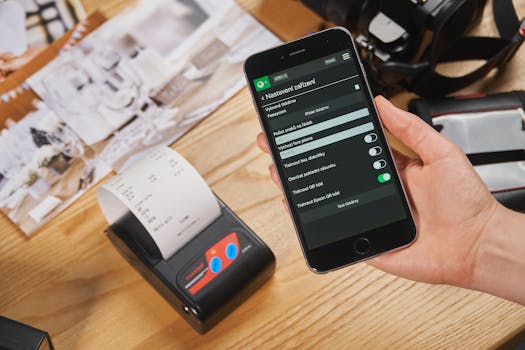
As the digital marketplace continues to expand, unified commerce is rapidly becoming the gold standard for retailers around the globe. This innovative approach to e-commerce fuses all consumer touchpoints into a single, cohesive platform, setting a new benchmark for both customer satisfaction and operational efficiency. Here's why unified commerce is hailed as the future of e-commerce and how it can transform the retail landscape.
Key Features of Unified Commerce
- Seamless Customer Experience: Unified commerce dismantles the barriers between different shopping channels. It provides a consistent shopping experience whether the customer is online, on a mobile app, or in a physical store. This seamless integration addresses customer preferences for a fluid shopping journey, enhancing satisfaction and loyalty.
- Centralized Inventory Management: A unified system allows for real-time inventory tracking across all sales channels. This synchronization helps in maintaining optimal stock levels, thus minimizing the risks of overstocking or understocking. Efficient inventory management directly translates to cost savings and improved customer service as products are readily available when needed.
- Enhanced Personalization: With a single customer view across all platforms, retailers can deliver highly personalized shopping experiences. Unified commerce enables the collection and analysis of customer data from every interaction, which in turn can be used to tailor product recommendations, promotions, and content dynamically.
Advantages of Unified Commerce
.png)
- Improved Operational Efficiency: By consolidating all retail operations into one platform, unified commerce reduces the complexity and expense of managing multiple systems. This integration fosters better communication across departments and accelerates decision-making, streamlining the entire retail operation.
- Easy Integration of Advanced Technologies: Unified commerce creates a centralized data environment that simplifies the incorporation of emerging technologies like AI and machine learning. Retailers can leverage these tools to gain deeper insights into consumer behavior, optimize their marketing strategies, and predict future trends with greater accuracy.
- Data-Driven Decision Making: With comprehensive analytics drawn from a unified data pool, businesses can make informed decisions that enhance customer satisfaction and drive sales. This data-centric approach helps in identifying successful products and marketing strategies, shaping a more targeted business model.
Challenges of Implementing Unified Commerce
- Technological Investment: Transitioning to a unified commerce platform can be costly and requires a robust technological framework. Retailers must invest in the right solutions that can seamlessly integrate various functions and channels.
- Staff Training and Adaptation: Employees across the organization need to understand and adapt to the new system. Effective training is crucial to ensure that all team members can utilize the unified platform to its full potential.
- Data Security: With all data centralized, the potential impact of a data breach could be significantly more damaging. Investing in advanced security measures to protect customer and business data is paramount.
Conclusion
Unified commerce is not just a trend but a strategic imperative for retailers in the digital age. It offers a myriad of benefits from enhanced customer experiences to streamlined operations and better data management. However, the transition requires careful planning, substantial investment, and continuous adaptation to technological advancements. For businesses ready to embrace this change, unified commerce promises not only to meet but exceed the evolving demands of the modern consumer, positioning these businesses at the forefront of the retail industry's future.