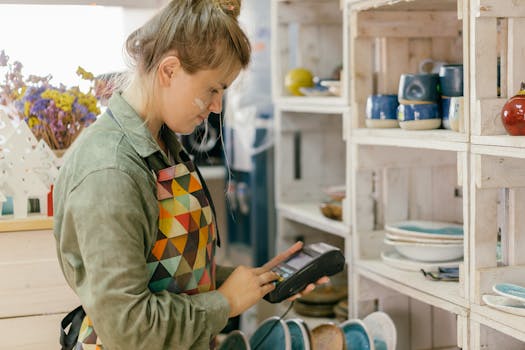
The Impact of Multi-Channel E-Commerce on Customer Experience
The digital revolution has transformed the way customers interact with brands, especially in the world of e-commerce. As technology advances and consumer expectations rise, businesses are embracing multi-channel e-commerce strategies to stay competitive. But what does this shift mean for the customer experience? This article explores how multi-channel e-commerce is reshaping the way shoppers engage with brands, the advantages and challenges it brings, and how businesses can harness its power to build stronger, more meaningful customer relationships.
Understanding Multi-Channel E-Commerce
Multi-channel e-commerce refers to the practice of selling products through multiple online and offline platforms, such as a brand’s website, mobile app, social media, online marketplaces (like Amazon or eBay), and even brick-and-mortar stores. This approach allows businesses to reach customers wherever they prefer to shop, offering a seamless and flexible shopping experience.
A 2023 survey by Statista revealed that 73% of online shoppers use multiple channels during their purchasing journey. For example, a customer may discover a product on Instagram, compare prices on Amazon, and finally make their purchase via the retailer’s website or a physical store. This interconnected web of touchpoints highlights the importance of a well-integrated, multi-channel approach.
.png)
How Multi-Channel E-Commerce Enhances Customer Experience
The primary advantage of multi-channel e-commerce is its ability to meet customers where they are and how they want to shop. Here’s how it positively impacts the customer experience:
1. $1 Customers can browse, research, and purchase products using their preferred platform, whether it’s a desktop website, mobile app, or physical store. According to Salesforce, 57% of consumers say they stopped buying from a retailer because they found a more convenient experience elsewhere. 2. $1 A unified brand presence across channels builds trust and recognition. For instance, a customer who finds the same pricing, product selection, and customer service on a brand’s website, app, and social media feels more confident in their purchase. 3. $1 With data collected from multiple channels, businesses can create tailored marketing and support experiences. For example, sending personalized product recommendations via email based on browsing history across devices. 4. $1 Multi-channel support, including live chat on websites, DM support on social media, and in-store assistance, ensures customers receive timely help in the manner they prefer. 5. $1 Options like buy online, pick up in-store (BOPIS), curbside pickup, and same-day delivery fuse the convenience of digital shopping with the immediacy of physical retail.Challenges and Complexities of Multi-Channel Strategies
While multi-channel e-commerce offers many benefits, it also introduces new challenges that can negatively impact customer experience if not managed well.
1. $1 Synchronizing inventory across multiple channels is complex. A 2022 study found that 34% of customer complaints stem from issues like stock-outs or delays caused by poor inventory visibility. 2. $1 When channels operate independently, customer data gets fragmented, leading to inconsistent experiences. For example, a customer’s online purchase may not be visible to in-store staff, hampering seamless service. 3. $1 Inconsistent pricing, promotions, or messaging across channels can confuse customers and erode trust. A report by PwC found that 59% of consumers will walk away after several bad experiences, even if they love the brand. 4. $1 Managing multiple sales and support channels requires significant investment in technology, staff training, and logistics. 5. $1 Offering consistent, high-quality support across all channels can be a logistical challenge, especially during high-traffic periods.Customer Expectations in the Multi-Channel Era
Today’s customers are more informed and demanding than ever before. They expect a frictionless experience, regardless of the channel. Here are some key expectations shaped by multi-channel e-commerce:
- $1 67% of customers expect to start their interaction on one channel and continue it on another without repeating themselves, according to Microsoft’s Global State of Customer Service report. - $1 Customers want instant notifications about order status, stock availability, and delivery times, no matter where they shop. - $1 Shoppers expect their rewards, discounts, and loyalty points to be recognized across platforms. - $1 Nearly 80% of consumers are more likely to buy from brands that offer personalized experiences, as reported by Epsilon.Meeting these expectations requires robust technology and a customer-first mindset.
Comparing Single-Channel and Multi-Channel E-Commerce
To understand the true impact of multi-channel e-commerce on customer experience, it helps to compare it directly with a single-channel approach.
| Aspect | Single-Channel | Multi-Channel |
|---|---|---|
| Customer Reach | Limited to one platform | Expands across multiple platforms and audiences |
| Shopping Flexibility | Restricted to one shopping method | Customers choose their preferred channel |
| Brand Consistency | Easier to maintain, but less exposure | Requires effort, but builds trust and loyalty |
| Support Options | Limited | Multiple options: live chat, social DMs, in-store, etc. |
| Personalization | Limited by data from one channel | Rich insights enable personalized experiences |
| Inventory Management | Simpler, but less responsive to demand | Complex, but enables dynamic fulfillment |
| Customer Loyalty | Harder to build | Stronger through consistent, tailored interactions |
Real-World Examples of Multi-Channel Success
Several brands have successfully leveraged multi-channel e-commerce to deliver exceptional customer experiences:
- $1 Nike integrates its website, mobile app, and physical stores, allowing customers to check product availability, reserve items, and access member-exclusive experiences. In 2023, Nike’s direct-to-consumer sales rose by 24% year-over-year, a testament to its multi-channel strategy. - $1 The eyewear brand enables customers to try frames at home, book in-store appointments, and purchase online or offline. Their “Home Try-On” program, combined with a seamless digital experience, has fueled rapid growth and high customer satisfaction. - $1 Sephora’s mobile app, website, and stores are tightly integrated. Customers can access their Beauty Insider rewards, receive personalized recommendations, and use augmented reality to virtually try makeup. Sephora’s omnichannel approach has increased its customer retention rates to over 80%.Best Practices for Enhancing Customer Experience with Multi-Channel E-Commerce
To unlock the full potential of multi-channel e-commerce and deliver an outstanding customer experience, businesses should:
1. $1 Use customer relationship management (CRM) and data integration platforms to create a single view of each customer across channels. 2. $1 Align marketing, pricing, and branding efforts across all platforms to avoid confusion. 3. $1 Implement robust e-commerce platforms, inventory management systems, and communication tools that support integration and automation. 4. $1 Train employees to handle customer inquiries from various channels and provide consistent support. 5. $1 Regularly gather customer feedback from all touchpoints to identify pain points and opportunities for improvement. 6. $1 Use analytics to monitor customer behavior across channels, identify trends, and refine the shopping experience.Conclusion
Multi-channel e-commerce is no longer just a trend—it’s a necessity in today’s retail landscape. By meeting customers wherever they are and providing a consistent, personalized experience, businesses can build loyalty, increase sales, and stand out in a crowded marketplace. However, success requires more than simply adding new channels; it demands strategic integration, robust technology, and a relentless focus on the customer. Brands that master multi-channel e-commerce are poised to thrive in the ever-evolving world of digital commerce.