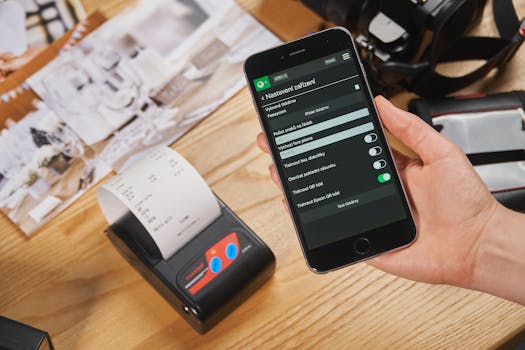
Unified commerce is transforming the landscape of digital commerce, emphasizing a holistic integration of all retail channels into a single, cohesive platform. This approach not only meets the evolving expectations of today's consumers but also equips businesses with robust tools to enhance operational efficiency and customer satisfaction.
Understanding Unified Commerce
Unified commerce brings together online stores, mobile apps, physical storefronts, and any other sales channels into a centralized platform. This integration ensures that irrespective of how or where a customer chooses to interact with a business, the experience is seamless and consistent. Key components such as inventory, pricing, and customer data are synchronized across all channels, eliminating discrepancies and enhancing the shopping experience.
.png)
The Significance of Unified Commerce
The shift towards unified commerce is driven by the need to provide an exceptional and seamless customer experience across all touchpoints. Here’s why unified commerce is becoming indispensable:
- Consistency Across Channels: Customers can start their shopping journey on one device and continue on another without interruption, which is essential in today's multi-device world.
- Enhanced Data Utilization: Unified commerce enables businesses to gather and analyze data from all touchpoints, providing deeper insights into customer preferences and behavior.
- Improved Inventory Management: Real-time inventory updates prevent overselling and stock inconsistencies, which are common in less integrated setups.
Differentiating Unified Commerce from E-Commerce and Multichannel Retailing
To understand the evolution, it’s essential to distinguish unified commerce from its predecessors:
- E-Commerce: Primarily focuses on online transactions. Traditional e-commerce operates independently from other channels, often leading to a fragmented customer experience.
- Multichannel Retailing: Involves using multiple channels to engage customers but lacks integration. Each channel functions as a separate entity with its strategy and inventory, which can confuse customers and complicate the management.
Unified commerce eliminates these silos by integrating all channels into one comprehensive platform, ensuring that each customer’s experience is consistent and the business operates more efficiently.
Implementing Unified Commerce
Transitioning to a unified commerce model involves several critical steps:
- Technology Integration: Update and unify IT systems to support seamless integration across all channels. This might involve adopting new software solutions that can handle various functions such as CRM, POS, and e-commerce management.
- Staff Training: Employees must be trained not only in new technologies but also in the holistic approach of unified commerce. Understanding the interconnectedness of all channels and their impact on the customer journey is crucial.
- Data Security: With the centralization of data, ensuring its security is paramount. Robust cybersecurity measures are essential to protect sensitive customer information and maintain trust.
Looking Towards the Future
As we advance technologically, unified commerce is set to become the standard model for retailers. The integration of AI and machine learning will further refine data analysis, making customer interactions even more personalized and efficient. Businesses that adopt this forward-thinking approach are likely to lead in customer satisfaction and operational efficiency in the competitive digital marketplace.
Unified commerce not only future-proofs businesses but also significantly enhances the customer journey by delivering a consistent, streamlined, and personalized shopping experience. As the digital landscape evolves, embracing unified commerce is increasingly becoming a strategic necessity for retailers aiming to thrive in the digital age.