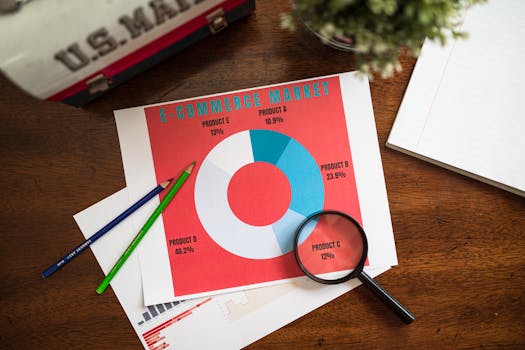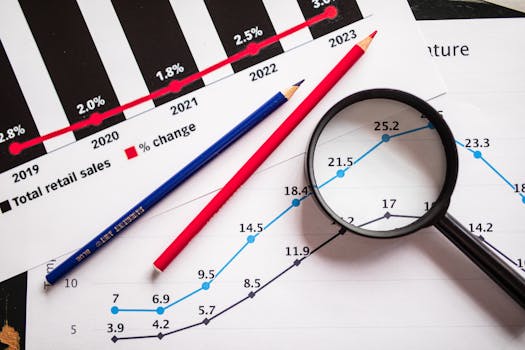
In the competitive landscape of e-commerce, leveraging sales analytics is indispensable for businesses aiming to enhance their performance and outpace their competitors. This comprehensive tool aids in understanding intricate sales data, which in turn fosters informed decision-making, ultimately boosting both efficiency and profitability.
What is Sales Analytics?
Sales analytics is the process of collecting, analyzing, and interpreting various sets of sales data. It offers valuable insights into different facets of business operations, such as customer behavior, sales trends, inventory management, and the effectiveness of marketing campaigns. By capitalizing on these insights, e-commerce businesses can refine their strategies to achieve optimal outcomes.
.png)
Key Benefits of Sales Analytics in E-Commerce
- Understanding Customer Behavior
Sales analytics provides a detailed look at customer purchase patterns, browsing habits, and feedback. This data helps businesses understand the factors influencing customer buying decisions, enabling them to tailor their marketing efforts more effectively to meet the demands of their target audience. For instance, insights into frequent cart abandonment during checkout can lead businesses to streamline the process, enhancing user experience and potentially increasing conversion rates.
- Optimizing Marketing Campaigns
Analyzing the performance of various marketing initiatives allows businesses to allocate their budgets more efficiently, prioritizing methods that yield the highest returns. Additionally, predictive analytics can forecast sales trends, aiding businesses in preemptively adjusting their marketing strategies to capitalize on these forecasts.
- Enhancing Product Management
Sales analytics helps companies identify which products are selling well and which aren’t, guiding decisions on inventory control, promotions, and pricing strategies. It also facilitates innovation by suggesting new product opportunities or enhancements to existing items based on consumer feedback and purchasing trends.
- Improving Operational Efficiency
Insights derived from sales analytics can also lead to improved operational practices. By examining sales cycles, customer service interactions, and return rates, companies can identify inefficiencies and areas for improvement, such as optimizing logistics to reduce delivery times and enhance customer satisfaction.
Challenges and Considerations
Despite its benefits, implementing sales analytics comes with its challenges. The accuracy of data is crucial; erroneous data can lead to poor decision-making that may detrimentally affect the business. Regular data audits and validations are necessary to ensure data integrity.
Additionally, with the increasing concerns over data privacy, businesses must adhere to stringent data protection laws such as the GDPR and CCPA. Ensuring robust security measures to protect data integrity and confidentiality is paramount to maintaining consumer trust and compliance with legal standards.
Conclusion
Sales analytics stands out as a critical tool for e-commerce businesses striving to augment their market performance. It provides deep insights into customer preferences, marketing efficiency, product viability, and operational effectiveness, enabling data-driven strategies that enhance sales and customer satisfaction. However, the effectiveness of sales analytics depends on the quality and security of the data used. By addressing these aspects diligently, businesses can harness the full potential of sales analytics to secure a competitive edge in the bustling e-commerce arena.