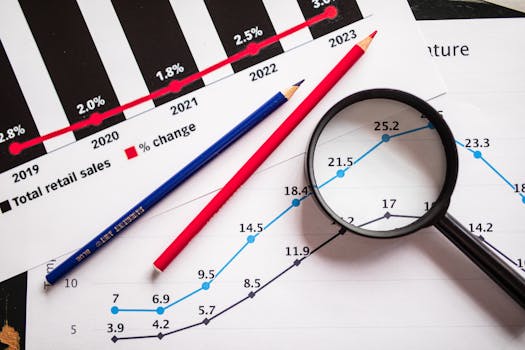
E-commerce businesses thrive on understanding their customers and market trends, making sales analytics an indispensable tool. Sales analytics involves the rigorous examination of sales data, helping businesses to decipher patterns, predict future trends, and make strategic decisions that enhance overall performance.
Understanding Sales Analytics
Sales analytics is the process of collecting, processing, and analyzing sales data to improve business decisions. This data encompasses a range of metrics, including sales volumes, revenues, customer acquisition costs, and more. Through this analysis, businesses can uncover valuable insights into product performance, customer preferences, and effectiveness of marketing strategies.
.png)
Importance of Sales Analytics in E-commerce
Strategic Decision Making: Real-time data analysis enables businesses to react swiftly to market changes, optimizing resources and maximizing returns.
Customer Insights: Detailed analytics offer a deeper understanding of customer behaviors and preferences, allowing for more targeted marketing and improved customer experiences.
Marketing Optimization: By identifying high-performing products and successful marketing campaigns, businesses can allocate budgets more effectively, increasing ROI.
Inventory Management: Sales analytics play a crucial role in predicting demand, helping businesses maintain optimal stock levels and reduce overhead costs.
Pricing Strategies: With dynamic pricing models, businesses can adjust prices based on analytics insights, staying competitive while maximizing profits.
Implementing Sales Analytics
Collect Comprehensive Data: Ensure that all relevant data points, including customer interactions and transaction details, are being captured.
Choose Suitable Tools: Utilize robust analytics tools such as Google Analytics, Adobe Analytics, or platform-specific tools provided by e-commerce platforms like Shopify.
Analyze and Interpret Data: Regularly analyze the data to identify trends and insights that can guide strategic decisions.
Derive Actionable Insights: Implement changes based on analytical insights to optimize marketing, pricing, inventory, and more.
Monitor and Adapt: Continuously monitor the outcomes of implemented changes and adapt strategies as necessary to stay aligned with market dynamics.
Success Stories
Amazon: Known for its cutting-edge use of analytics, Amazon leverages data to personalize recommendations, enhancing user engagement and sales.
Netflix: Netflix uses viewership data not just to recommend content but also to guide content creation, ensuring high engagement and subscription growth.
Conclusion
Sales analytics transform raw data into strategic insights, empowering e-commerce businesses to optimize operations and drive growth. By effectively implementing and leveraging sales analytics, businesses can stay competitive in the rapidly evolving e-commerce landscape, ensuring they not only meet but exceed customer expectations and accelerate their success.